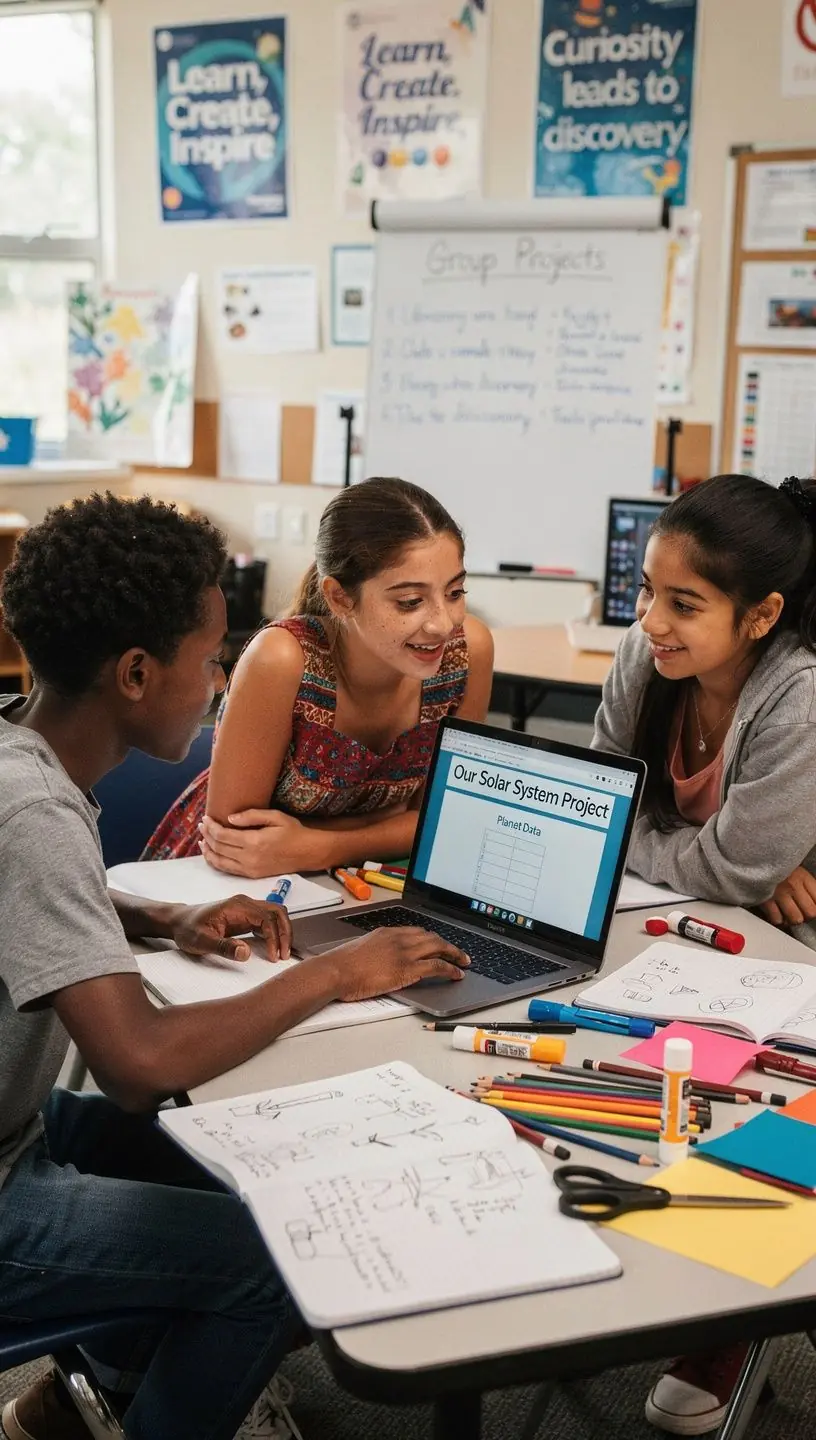
Practical Insights on Peer-to-Peer Education
Peer-to-peer education has emerged as a powerful method for knowledge sharing, allowing individuals to learn from each other's experiences and insights. This article explores practical applications of peer-to-peer education, backed by research and real-world examples.
Understanding the Basics
Peer-to-peer education, as defined by industry experts, involves individuals sharing knowledge and skills with one another in a collaborative environment. This approach often improves learning outcomes because it leverages diverse perspectives and experiences. According to research, learning in peer groups can enhance retention rates by up to 30% compared to traditional methods.

"Peer learning fosters a deeper understanding and engagement with the material, as it encourages students to articulate their thoughts and clarify their understanding." - Dr. Amanda Lee, Education Specialist
Benefits of Peer-to-Peer Learning
Utilizing peer-to-peer education can offer several advantages, including:
- Increased Engagement: Research indicates that students participating in peer learning are often more engaged, leading to better educational outcomes.
- Diverse Perspectives: Learning from peers allows for exposure to varied viewpoints, which can deepen understanding and encourage critical thinking.
- Cost-Effectiveness: Many peer education initiatives require minimal financial investment, making them accessible for a wider audience.
Practical Application Strategies
Integrating peer-to-peer education into existing learning frameworks typically involves careful planning and a clear structure. Here are some actionable strategies:
- Form Learning Circles: Create small groups where participants can regularly meet to discuss topics of interest. These gatherings encourage open dialogue and collaborative problem-solving.
- Facilitate Skill Swaps: Organize sessions where individuals can teach each other skills or knowledge areas, ensuring that all participants have an opportunity to both teach and learn.
- Utilize Online Platforms: Many communities leverage digital platforms to create virtual peer education networks. This approach allows for flexibility and accessibility, engaging participants from different geographical locations.
Challenges and Considerations
While peer-to-peer education can be highly effective, it is essential to acknowledge its limitations. For instance:
- This method often requires time and commitment. Regular participation can demand 2-4 hours per week for meaningful engagement.
- Some individuals may find the collaborative nature intimidating, particularly if they lack confidence in their knowledge.
- The effectiveness of peer-to-peer education can vary based on the group dynamics and the participants' willingness to share and learn from one another.
Conclusion
Peer-to-peer education represents a dynamic and collaborative learning approach that can enhance knowledge sharing among individuals. By implementing structured strategies and understanding its limitations, educators and communities can foster environments where shared learning thrives. As research suggests, this method not only deepens understanding but also cultivates a sense of community, making it a valuable addition to educational practices.
Learn More