Examining the Impact of Social Media on Learning
The rise of social media has transformed how individuals connect and share information. In educational settings, platforms such as Twitter, Facebook, and Instagram offer unique opportunities for learning, but they also present challenges. This article explores the dual impact of social media on the learning process, highlighting both its advantages and drawbacks.
Understanding the Basics
According to research, social media can significantly enhance collaborative learning experiences. Many users report that platforms like Facebook Groups and Twitter facilitate the exchange of ideas and resources. The principle behind this is simple: social media fosters community, allowing learners to connect with peers and experts in real-time.
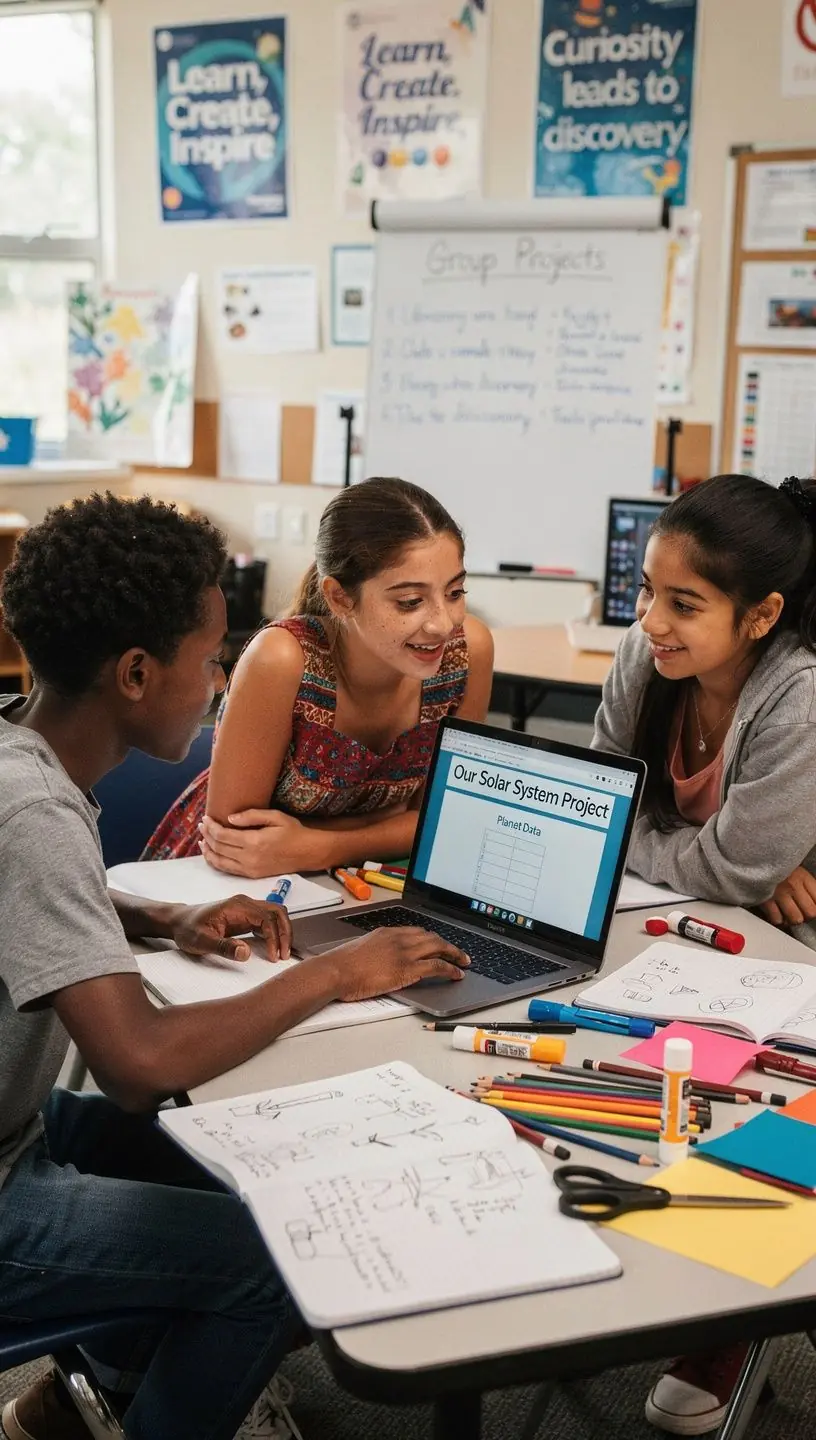
"Social media can act as a powerful tool for engagement and interaction among learners, encouraging diverse viewpoints." - Education Expert
The Positive Aspects of Social Media in Learning
Research indicates several benefits of leveraging social media for educational purposes:
- Enhanced Communication: Social media allows for quick and effective communication between students and educators. This often leads to faster feedback and a more dynamic learning environment.
- Access to Resources: Many users find that social media platforms serve as gateways to a wealth of educational content, from articles and videos to courses and webinars.
- Building a Learning Community: Students can connect with peers across the globe, sharing knowledge and experiences that enrich their understanding of various subjects.
Challenges and Limitations
While the benefits are clear, it is essential to acknowledge the limitations associated with social media in learning contexts:
- Information Overload: The vast amount of content available can be overwhelming, making it challenging for learners to discern valuable information from noise.
- Distraction Potential: Social media is designed to capture attention, which can lead to decreased focus on educational tasks. Studies show that excessive use may hinder academic performance.
- Quality Control: Not all information shared on social media is accurate or reliable. It often requires critical thinking skills to evaluate sources effectively.
Practical Application for Educators and Learners
To maximize the positive aspects of social media while mitigating its drawbacks, both educators and learners can adopt several strategies:
- Set Boundaries: Establish clear guidelines on how and when to use social media for educational purposes, helping to minimize distractions.
- Focus on Quality Content: Encourage the sharing of credible articles and resources, fostering a culture of critical thinking and information evaluation.
- Engage in Online Study Groups: Utilize platforms for collaborative projects and discussions, which can enhance learning while leveraging the strengths of social media.
Conclusion
Social media has become an integral part of the learning landscape, offering unique opportunities for engagement and collaboration. However, it is crucial to approach its use mindfully, recognizing both the potential benefits and the inherent challenges. By adopting strategic practices, learners and educators alike can navigate this evolving space more effectively, ensuring that social media serves as a positive force in the educational journey.