Understanding the Psychology of Collaborative Learning
Collaborative learning is a powerful educational approach that leverages the social nature of learning. This article delves into the psychology behind collaborative learning, providing insights from research and practical applications that can enhance group learning experiences.
Understanding the Basics of Collaborative Learning
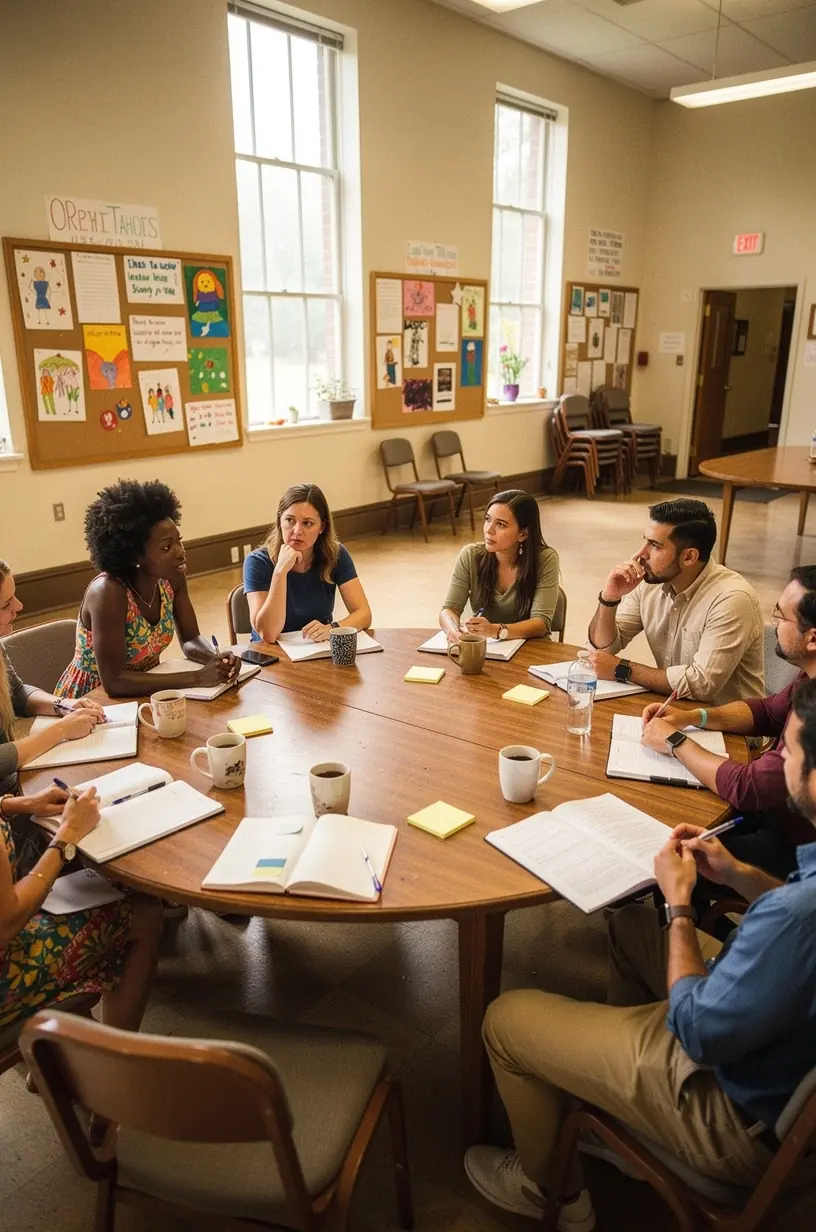
Collaborative learning involves individuals working together to achieve shared learning goals. According to Johnson and Johnson (1999), this method encourages positive interdependence among participants, fostering an environment where learners support each other's success. This collaborative approach is rooted in social constructivism, which emphasizes that knowledge is constructed through social interactions.
The Psychological Principles at Play
Several psychological principles contribute to the effectiveness of collaborative learning:
- Social Interdependence Theory: This theory posits that group members' success is linked to the success of others. Research indicates that when learners understand their mutual dependence, they are more likely to engage meaningfully in discussions and problem-solving efforts.
- Motivation and Engagement: The presence of peers can enhance motivation. Studies have shown that learners often report heightened engagement when collaborating, as they feel accountable to their peers.
- Diverse Perspectives: Collaborative learning brings together diverse viewpoints, which can lead to richer discussions and deeper understanding. Research suggests that exposure to different perspectives can enhance critical thinking skills.
"Learning is not a spectator sport. Students do not learn much just by sitting in classes listening to teachers, memorizing prepackaged assignments, and spitting out answers. They must talk about what they are learning, write about it, relate it to past experiences, and apply it to their daily lives." - Chickering and Gamson
Implementing Collaborative Learning Effectively
For effective collaborative learning, certain strategies and conditions should be considered:
- Define Clear Objectives: Establishing clear learning objectives helps guide group discussions and tasks, ensuring all members are aligned in their goals.
- Create a Supportive Environment: A safe and inclusive atmosphere encourages participation. Research suggests that when learners feel safe to express their ideas, collaboration becomes more productive.
- Incorporate Structured Activities: Structured group activities, such as problem-solving tasks or case studies, can facilitate collaboration. Experts recommend utilizing frameworks that encourage shared responsibility and accountability.
Acknowledging Challenges
While collaborative learning offers numerous benefits, it also presents challenges. Groups may struggle with unequal participation, where some members dominate conversations. Additionally, achieving consensus can sometimes be time-consuming. Understanding these limitations is crucial for effective implementation.
Conclusion
Collaborative learning harnesses the power of social interaction to enhance educational outcomes. By understanding the psychological principles that underpin this approach and implementing effective strategies, educators and learners can create meaningful collaborative experiences. With realistic expectations, learners can expect to see improvements in engagement and critical thinking over time.